 Date: 23 September 2024
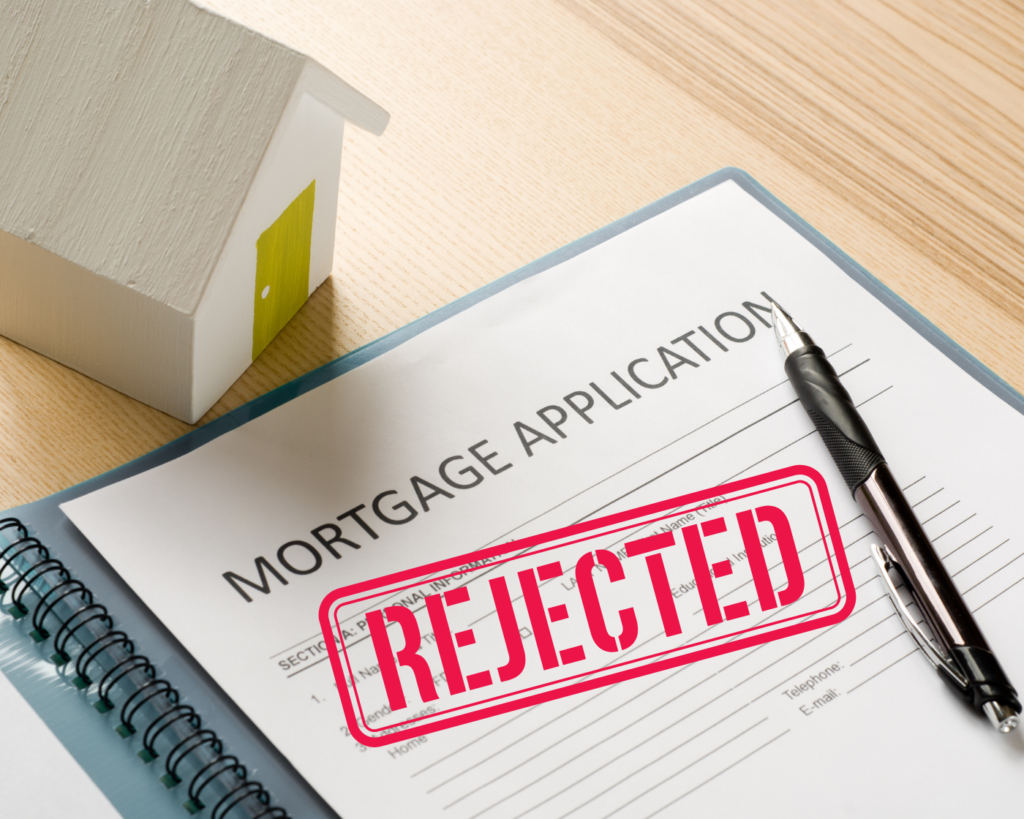
Are you considering applying for a mortgage but worried about potential rejection?
Understanding the reasons why mortgage applications get rejected can help you prepare better and increase your chances of success.
Whether you're a first-time buyer or looking to remortgage, knowing what lenders look for is crucial to your financial future.
In this article, we'll explore the main reasons why mortgage applications get rejected and what happens if your mortgage application is declined.
We'll cover key factors like credit scores, affordability concerns, and property valuation issues that can lead to a mortgage being declined.
You'll also learn how soon you can apply for a mortgage after being declined and what steps you can take to improve your application. By the end, you'll have a clear picture of how to boost your chances of mortgage approval.
Your credit score is a vital factor when applying for a mortgage. Lenders use it to evaluate your creditworthiness, and the risk associated with lending to you.
A higher credit score can significantly improve your chances of mortgage approval and may lead to more favourable interest rates.
In the UK, your credit score impacts not only your mortgage application but also your ability to secure credit cards, personal loans, and even mobile phone contracts.
When you apply for a mortgage, lenders assess your credit score by reviewing your credit report, application details, and any relevant customer information.
To improve your credit profile in preparation for a mortgage application, consider the following steps:
By understanding and managing these aspects of your credit score, you can enhance your chances of securing a mortgage in the UK.
Lenders are required to evaluate your financial situation to ensure you can afford the mortgage you're applying for. This involves assessing your income, expenses, and existing debts.
Lenders use specific criteria to assess your ability to repay a mortgage. They evaluate your gross annual income, including salary and bonuses, as well as your expenses and existing debts.
The Financial Conduct Authority (FCA) requires a thorough review of your finances before offering a mortgage.
Your debt-to-income ratio plays a crucial role in mortgage approval. Lenders calculate this by dividing your monthly debts by your gross monthly income.
They consider various expenses, including utility bills, streaming services, and gym memberships. To improve your chances, try to keep your debts below 50% of your available credit, ideally 25%.
To enhance your affordability, focus on repaying outstanding debts and tightening your budget. Consider saving for a larger deposit, as this can make your mortgage easier to repay.
If you're struggling to save enough, shared ownership might be an option, allowing you to purchase as little as 25% of a property's value.
Property valuation is an essential step in the mortgage process. It helps lenders determine the property's market value and assess the risk of lending.
A qualified surveyor assesses the property to determine its current market value, helping lenders evaluate the risk associated with providing a loan. This valuation ensures that the amount being borrowed doesn't exceed the property's worth.
Down valuations occur when a surveyor determines a property is worth less than the agreed sale price. This can happen due to overestimated renovation value, problems flagged in the survey, or cautious lenders fearing a house price slump.
On average, down valuations result in a 2.8% reduction, which translates to £7,978 based on the average UK house price.
If you receive a down valuation, you have options. You can negotiate with the seller, challenge the valuation with evidence, try a different lender, or choose a mortgage with a higher deposit.
For remortgages, be cautious about overvaluing your home. New builds and sealed bids can also lead to down valuations.
Lenders pay close attention to your recent financial behaviour to assess your ability to manage money responsibly.
Payday loans can significantly affect your mortgage application. These short-term, high-interest loans are often viewed negatively by lenders. Even if repaid on time, payday loans can suggest financial difficulties.
Their presence on your credit file, which lasts for six years, may lead to your mortgage application being rejected.
While gambling doesn't automatically disqualify you from getting a mortgage, it can raise concerns. Lenders typically examine three to six months of bank statements, looking for patterns of gambling activity.
Regular payments to gambling sites or large betting transactions may prompt lenders to scrutinise your finances more closely.
To improve your chances of mortgage approval, it's crucial to demonstrate responsible financial behaviour. This includes avoiding missed bills or loan payments, managing existing debts wisely, and not taking on new credit agreements during the application process.
Keeping your credit utilisation low and maintaining a stable financial situation can also positively impact your application.
Aside from credit scores, affordability, and recent financial behaviour, there are several other reasons why mortgage applications might get rejected:
Understanding the various factors that can lead to mortgage application rejection is crucial for anyone looking to secure a home loan.
From credit scores and affordability concerns to property valuation issues and recent financial behaviour, each aspect plays a significant role in the lender's decision-making process.
By being aware of these potential pitfalls, aspiring homeowners can take steps to improve their chances of approval and make informed decisions about their financial future.
Ultimately, the key to a successful mortgage application lies in careful preparation and responsible financial management. By maintaining a good credit score, demonstrating affordability, and addressing any potential red flags in your financial history, you can significantly boost your chances of securing the mortgage you need.
Remember, if you're unsure about any aspect of the mortgage application process or want to improve your chances of approval, it's always wise to seek expert advice.
Contact us for expert, friendly advice to help you navigate the complexities of mortgage applications and increase your likelihood of success.
There are several typical reasons why a mortgage might be declined.
These include having recent missed or late payments, any defaults or County Court Judgements (CCJs) in the past six years, and making excessive credit applications in a short period, which leads to multiple hard searches on your credit report.
Several issues can hinder your ability to obtain a mortgage, such as having a low credit score or insufficient income, carrying high levels of debt, having an inconsistent employment record, and not having enough for a down payment.
A common reason for the rejection of a personal loan application is a low credit score, which reflects your creditworthiness based on your past financial behaviour.
To improve your credit score, ensure you pay your bills and existing loan EMIs promptly, avoid maxing out your credit cards, and regularly check your credit report for any inaccuracies.
A mortgage can be declined at any stage before the completion of the purchase. Until your solicitor has transferred the funds to the seller, the mortgage agreement is not finalised.

