Enjoy the retirement you've always dreamed of by securing extra cash to spend as you wish.
With Mortgage in Retirement, you can get a mortgage even during your golden years and unlock the financial freedom you deserve.
Say goodbye to financial worries and hello to a comfortable retirement lifestyle.

Planning for your retirement can be overwhelming, but with Mortgage in Retirement, you'll have access to expert, regulated advice from industry professionals.
Ensure a secure and stress-free retirement with our trusted guidance.


Your retirement should be worry-free, and that includes your finances. Get a mortgage in retirement and enjoy exceptional customer service from our team of experts.
We'll guide you through the process and ensure you have the support you need to secure your retirement.

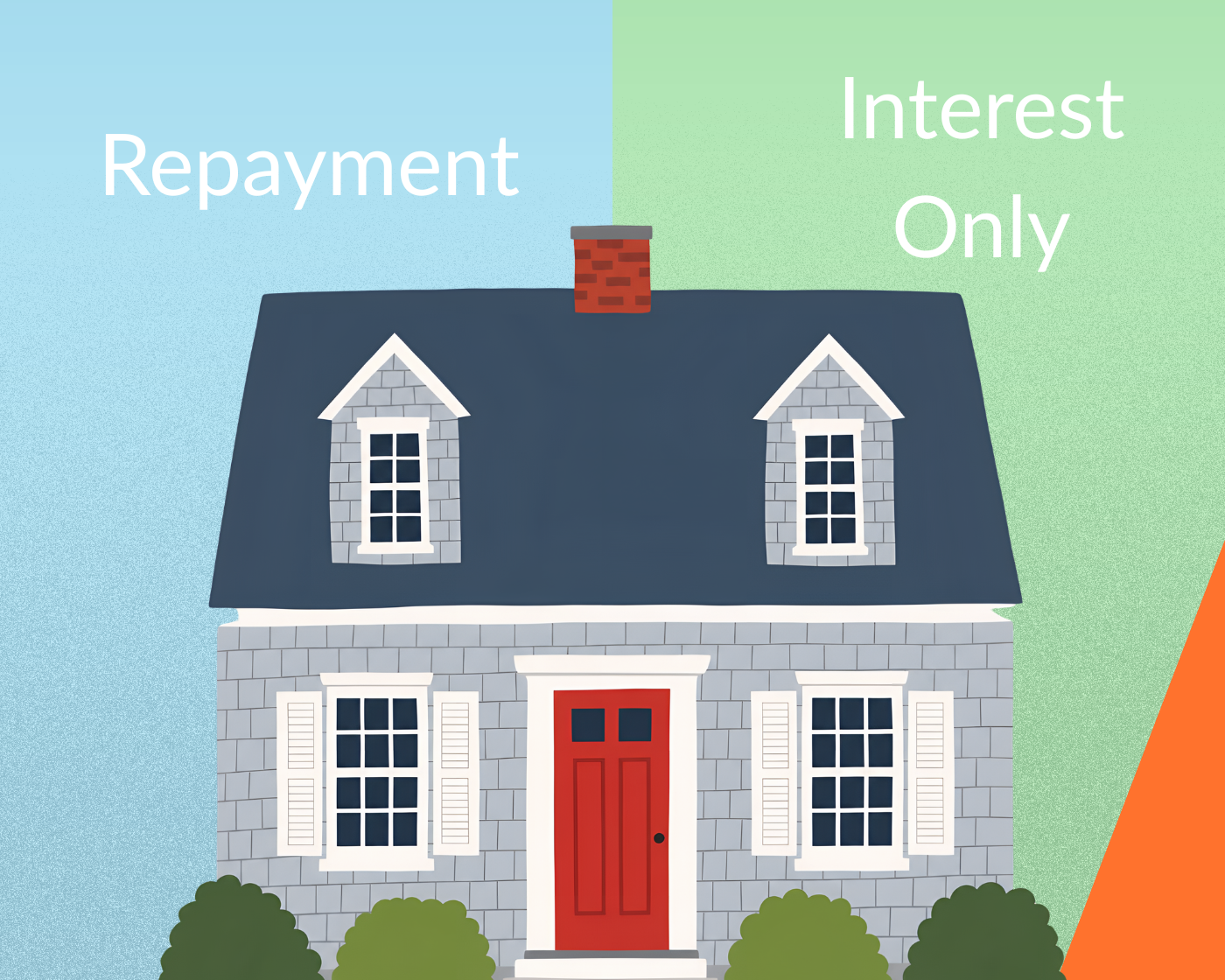
A retirement interest-only mortgage is a type of mortgage designed for older borrowers who are either approaching or already in retirement. It allows you to borrow money secured against your property and make interest-only repayments throughout the term of the mortgage, with the capital repaid when you sell the property, move into long-term care, or pass away.
With a retirement interest only mortgage, you make regular interest payments to the lender, usually on a monthly basis. The loan amount remains the same throughout the term, and the capital is repaid at the end of the mortgage term or under certain triggering events. This type of mortgage is typically available for an unlimited term or until a specific age, depending on the lender.
To be eligible for a retirement interest only mortgage, you usually need to be at least 55 or 60 years old, depending on the lender’s criteria. Lenders may have additional requirements such as a minimum income level or a maximum loan-to-value ratio. The property must also meet certain criteria, such as being your primary residence and meeting the lender’s valuation requirements.
Yes, retirement interest only mortgages are available to both retired individuals and those still in employment. However, lenders may have specific criteria regarding income and affordability assessments. They typically consider your ability to make the interest payments throughout the term, so it’s important to provide proof of income and demonstrate affordability.
At the end of the mortgage term, the capital balance becomes due. You can repay the loan by selling the property, using other funds or assets, downsizing, or applying for a further mortgage if eligible. It’s important to have a clear plan in place to repay the capital at the end of the term.
No, there are usually no restrictions on how you can use the funds released from a retirement interest only mortgage. You can use the money for various purposes, such as supplementing retirement income, home improvements, debt consolidation, or supporting family members.
Some retirement interest only mortgage products may allow you to make additional repayments towards the capital during the term. However, this varies among lenders, and you should check the terms and conditions of your specific mortgage product.
Yes, lenders typically perform credit checks as part of the application process for a retirement interest only mortgage. They assess your creditworthiness, income, and affordability to determine your eligibility and the interest rate offered.
In many cases, retirement interest only mortgages are portable, which means you can transfer the mortgage to a new property if you decide to move. However, this is subject to the lender’s criteria and affordability assessments for the new property.
Yes, it’s highly recommended to seek independent financial advice from a qualified advisor who specializes in retirement mortgages. They can assess your individual circumstances, explain the pros and cons of retirement interest only mortgages, and help you make an informed decision based on your needs and financial goals.
Your home may be repossessed if you do not keep up repayments on your mortgage.
A lifetime mortgage is a long term commitment which could accumulate interest and is secured against your home. Equity release is not right for everyone and may reduce the value of your estate